

Bitcoin en custodia propia: la guía completa para principiantes
What self-custody means
Self-custody means you hold your own bitcoin private keys. No exchange, no app company, no bank stands between you and your money. If you can lose it, it is yours. If you cannot lose it, it was never really yours. That is the tradeoff, and it is worth understanding before you start.
Step 1: Get a wallet
For amounts you care about, get a hardware wallet. For small spending money, a reputable mobile wallet is fine. Avoid wallets that hold your keys for you unless you understand exactly what you are trusting them with.
Step 2: Write down your seed phrase
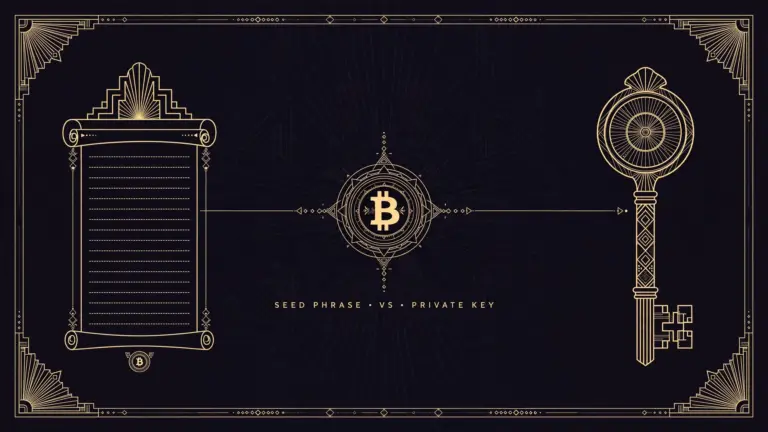
When you create a wallet, it shows you 12 or 24 words. This is your seed phrase, and it IS your bitcoin. Anyone with these words can take everything. Write them on paper with a pen, double-check every word, and store the paper somewhere safe. For larger amounts, stamp the words into a metal backup plate that survives fire and water.
Never photograph your seed. Never type it into a website. Never read it out on a phone call. Support staff will never ask for it. Anyone who asks is a thief.
Step 3: Test your backup
This is the step everyone skips. Send a tiny amount of bitcoin to your new wallet. Then wipe the wallet and restore it from your seed phrase. If the coins show up, your backup works. If not, you learned with pocket change instead of your savings.
Step 4: Move your coins off the exchange
Withdraw from the exchange to an address from your own wallet. Start with a test transaction. Wait for it to confirm. Then move the rest. Once it is in your wallet, the exchange can get hacked, freeze withdrawals, or go bankrupt, and you will not care.
Step 5: Think about inheritance
Uncomfortable but necessary: if something happens to you, can your family access the bitcoin? A seed phrase in a safe that nobody knows about might as well not exist. Write clear instructions, seal them separately from the seed, and make sure at least one trusted person knows the plan.
Common mistakes
- Keeping everything on one device with no backup.
- Storing the seed in cloud notes, email, or photos.
- Buying a hardware wallet secondhand.
- Never testing the restore process.
- All-or-nothing thinking: you can keep spending money in a mobile wallet and savings in cold storage.
Self-custody is a skill, not a product. Start small, practice the recovery, and scale up as your confidence grows. The goal is simple: bitcoin that nobody can take from you, because nobody else holds it.