




Silent Payments: One Address, Fresh Every Time
What it is
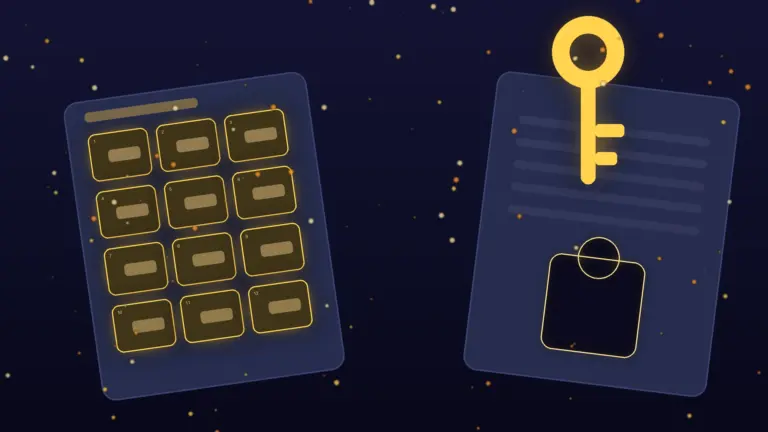
A silent payment address is one static address you can share anywhere. It starts with sp1. It looks long, and it is not an address you can paste into a block explorer. It is a payment instruction. Each person who pays you uses it to build a fresh, unique on-chain address just for that payment.
You post the same sp1 address on your website, your profile, or your donation page. You never hand out a new address per payer. No one needs to contact you first. The payer’s wallet does the work, and your wallet finds the payment by scanning.
That is the whole pitch. One public link. No address reuse on chain. No back and forth.
Why it matters
Address reuse is a quiet leak. When many payments land on one address, anyone can see them together. They can see the total. They can see who paid you, and when. If that address is tied to your name, the leak is tied to your name too.
The usual fix is fresh addresses. Your wallet makes a new one for every receive. That works, but it needs contact. Someone has to ask you, and you have to send a new address back. That breaks for donation pages, tip jars, invoices in a footer, and any place where you cannot answer every payer in person.
Silent Payments close that gap. The public address stays the same. The on-chain address changes every time. An outside observer sees separate Taproot outputs. They do not see one reused address collecting payments.
For more on how reuse exposes you, see our guide to how privacy attacks work. Fresh addresses are still good hygiene. Silent Payments are for the cases where fresh addresses are not practical.
How it works, at reader level
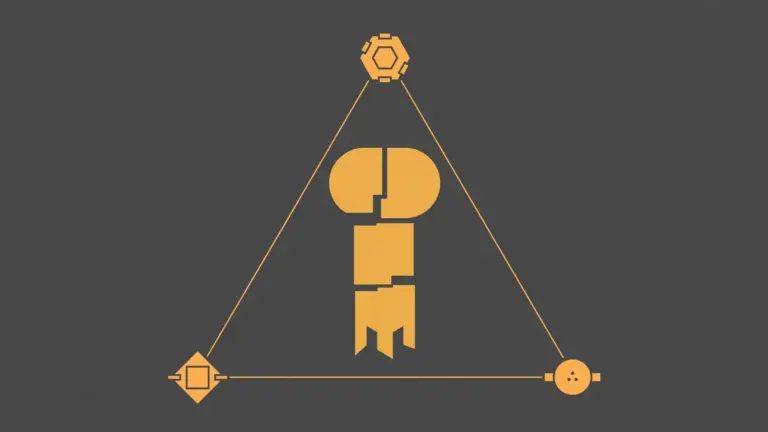
Your silent payment address holds two public keys, not one. One is the scan key. One is the spend key. The scan key lets your wallet spot payments meant for you. The spend key is what lets you spend them later. Keeping the two jobs apart matters. A scan key can live on a device that watches the chain. It cannot spend your bitcoin on its own.
Here is the flow in plain terms. The payer’s wallet takes your scan key and the keys from the payer’s own inputs. It combines them into a shared secret. Only the payer and you can build that secret, because only you hold the matching private scan key and only the payer holds the matching private input keys. The payer’s wallet then uses that secret to tweak your spend key into a one-time Taproot output. That output is where the payment goes.
Your wallet scans new transactions and runs the same math from its side. When the math matches an output, your wallet knows the payment is yours. It then builds the private key for that output from your spend key plus the same tweak. No one else can do that step.
Two details keep payments unlinkable. First, the tweak includes a hash of the payer’s inputs, so paying twice from the same coins does not land on the same output. Second, each payment can use a counter, so one transaction can pay you more than once without repeating an output.
This is specified in BIP 352. The protocol adds no extra on-chain cost for the payment itself. A silent payment looks like an ordinary Taproot payment on chain. There is no notification transaction, and no extra data that marks it as a silent payment.
What it replaces
Before silent payments, a static public link meant a tradeoff. You could reuse one address, and accept the leak. You could hand out a fresh address per payer, and accept the hassle. Or you could run a server that mints a fresh address per invoice, and accept running that server.
The server route is what many shops and donation pages use today. A tool like BTCPay Server can generate a new address for every invoice from a watch-only key. That protects you from reuse, but you run the server, you keep it online, and whoever holds that watch-only key can see every payment that account ever receives. Silent Payments remove the server from the receive path. The address itself does the minting, inside the payer’s wallet.
Silent Payments do not replace fresh addresses for normal private receives. If you can hand someone a fresh address, do that. Silent Payments are for the public link case, where you cannot.
How to get one and use it
First, use a wallet that supports receiving silent payments. Create a silent payment wallet or turn the feature on where your wallet offers it, then copy your sp1 address. Test it with a small amount before you publish it anywhere. Send a small payment to it from a sending wallet, wait for confirmation, and confirm your receiving wallet shows it. Only then post it on your page.
When you publish it, publish the full sp1 address. It is long. Do not shorten it by hand, and do not split it across lines in a way that breaks copy and paste. A QR code helps on a printed page. On a web page, make the address easy to copy in one tap.
When someone pays you, you do nothing. You do not approve the payment. You do not send anything back. Your wallet finds it when it scans. That also means you cannot tell who paid you from the address alone. If you need to know who paid, use labels where your wallet supports them, or ask payers to tell you another way. Labels in BIP 352 let you publish variants of your address for different purposes, but they share your scan key, so they are not separate identities. Treat labels as bookkeeping, not as privacy between your own projects.
Do not expect a silent payment address to work in every wallet yet. If a payer’s wallet cannot send to sp1 addresses, that payer cannot pay you this way. Keep a normal fresh address path open for those payers.
Wallet support, as verified on 29 October 2026
Support is still spreading, and it changes fast. Check the wallet’s own release notes before you move real funds. The claims below are the ones we verified in this run.
Sparrow Wallet, on desktop, supports sending to silent payment addresses since version 2.3.0, and receiving since version 2.5.0. That makes Sparrow the clearest desktop option we verified for both sides. Receiving in Sparrow needs a server that indexes silent payment data, so read the setup notes before you rely on it.
We did not verify current sending or receiving claims for other wallets on their official pages in this run, so we do not name them here. That includes wallets that third party guides describe as supporting silent payments. A guide is not a release note. If you use another wallet, confirm the exact version and whether it sends, receives, or both, then test with a small amount.
For a wider list, silentpayments.xyz tracks wallets and libraries. Treat that list as a starting point for your own check, not as proof. Wallet support is the weakest link in this story today. The protocol is ready. The wallets are catching up.
The tradeoffs
The main cost is scanning. A normal wallet checks a fixed list of its own addresses. A silent payment wallet must scan transactions and run the shared secret math to find payments meant for it. That is heavier work. It is feasible for a full node, and harder for a light wallet on a phone. Some light wallets lean on a server to do part of the scanning. That server may learn what you receive, even though it cannot spend your funds. Ask how your wallet scans before you trust it with a public donation address.
Restoring takes longer too. A wallet that restores from seed must rescan to find silent payments, not just check known addresses. A restore that starts scanning too late can miss a payment, so note the date you first published your address and check your wallet’s restore settings.
Silent Payments also do not hide everything. Amounts are still visible on chain. Timing is still visible. The payer still knows they paid you, and you still know you received a payment. Spending the payment later can link it to your other activity if you are not careful with coin control. Silent Payments fix the receive side. They do not make spending private on their own.
Finally, silent payments are Taproot only. Every payment lands on a Taproot output. That is fine for spending, but it is one more reason to keep your long term savings setup simple and separate from a public receiving address.
Backups: what a seed restore does and does not recover
Your silent payment keys derive from the same seed as the rest of your wallet, under BIP 352. That is good news. Your existing seed backup covers the keys. If you restore the seed into a wallet that supports silent payments, and that wallet rescans from before your first silent payment, it can find those payments and spend them.
A seed restore does not recover everything. It does not recover labels you typed into the wallet, notes about who paid you, or your transaction history as you saw it in the app. Those live in wallet data, not in the seed. If your wallet offers a separate wallet backup or descriptor export, keep that alongside your seed backup. For why seed words alone fall short in general, see our piece on the backup gap.
Three backup habits apply here. First, back up the seed before you publish an sp1 address, not after. Second, write down which wallet and version created the address, and the date you first published it. Third, test the restore on a small amount. A backup you have not tested is a hope, not a backup.
One more caution. A seed restore into a wallet that does not support silent payments will not show your silent payments, even though the keys are there. The funds are not lost. They are invisible to that wallet. Restore into a wallet that supports silent payments, or move the keys to one that does, before you conclude anything is missing.
Who should use it now, and who should wait
Use it now if you run a public donation page, a tip jar, or a shop that needs a static link, and you accept the wallet limits above. Test with small amounts, use a wallet you verified, and keep a normal address path open. It is a real privacy gain for exactly this case.
Wait if you only receive from people you can contact directly. A fresh address per payment is simpler, better supported, and needs no scanning tradeoff. Wait too if your savings are at stake and your wallet setup is not tested. Do not publish a silent payment address for your main savings wallet until you have tested a restore.
Silent Payments are a custody hygiene upgrade, not a new way to store bitcoin. They let you receive in public without handing the public your whole receive history. That is worth having. It is not worth rushing into untested.