



DIY Bitcoin Multisig with Nunchuk: What It Actually Takes
Multisig is the strongest self-custody setup most people can build. It is also the setup most people never finish, because doing it yourself involves a long chain of careful steps and every one of them matters.
In February 2026, Stacker News user @blockdyor shared a full DIY multisig guide built around Nunchuk, the coordinator app that shows up in more DIY multisig walkthroughs than any other. The poster’s own summary was honest: there are many steps, and they all need to be done carefully.
The best reply in the thread was even more honest: “I use Casa for multisig because I am lazy and I don’t trust myself.”
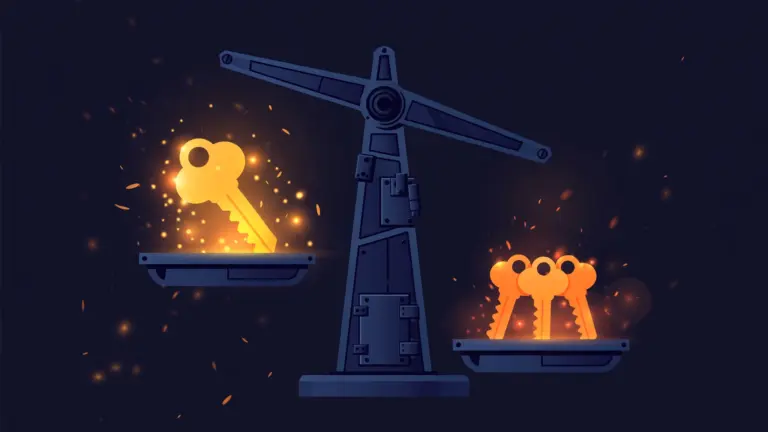
That one sentence captures the real decision. DIY multisig and assisted multisig are not rival products. They are two answers to the same question: how much of this process do you trust yourself to get right?
What DIY actually involves
A DIY Nunchuk multisig means you are the coordinator, the signer manager, and the backup department. Concretely, that means:
- Buying or sourcing two or three hardware wallets, ideally from different vendors so one firmware bug cannot take out your whole quorum.
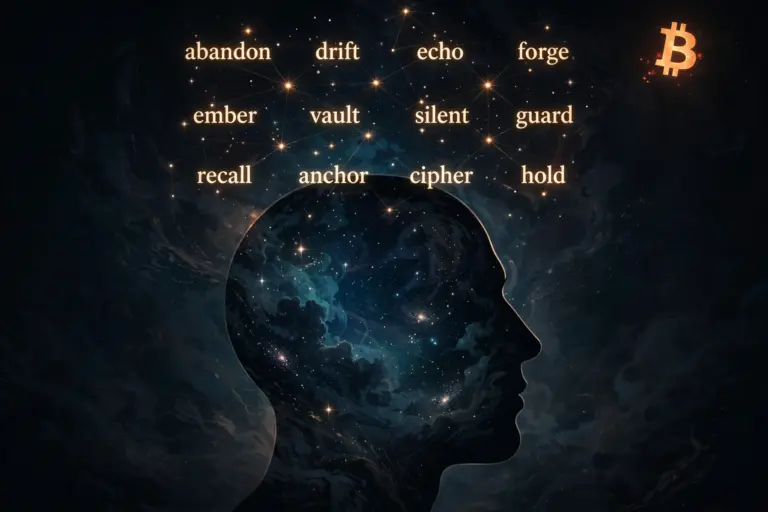
- Initializing each device, writing down each seed phrase, and storing them in separate locations. Seed words alone are not enough: the storage plan matters as much as the words.
- Building the multisig wallet in Nunchuk: exporting each device’s xpub, combining them into a descriptor, and verifying the wallet configuration on every device.
- Backing up the wallet descriptor (the BSMS file or equivalent), not just the seeds. Seeds alone do not recover a multisig. This is the step DIY builders most often skip, and the one that hurts most.
- Doing a full test spend and a full recovery rehearsal before any real money arrives.
None of these steps is conceptually hard. The difficulty is that the chain has no weak links allowed. Miss the descriptor backup, lose one seed to a flood, or misconfigure one device, and you discover the problem at the worst possible moment.
The assisted alternative
Assisted multisig, from companies like Casa or Nunchuk’s own platform key, outsources part of this chain. Typically the company holds one key in your quorum and handles the coordination software, the descriptor backup, and the recovery guidance. You hold the rest of the keys, so the company can never move your funds alone.
The tradeoff is real and worth naming plainly. You pay a subscription. You hand the company your email, which ties an identity to the wallet. And as a co-signer, the company can see your wallet balance. Read the full breakdown in the privacy price of assisted multisig.
Who should go DIY
DIY fits you if you enjoy the process, you will actually do the test recovery (not just plan to), and you want zero third parties with any view into your setup. It also fits larger stacks where the subscription cost of assisted custody adds up and the privacy matters more.
If you are comparing hardware wallets for a DIY build, check each device’s multisig support first. Not every wallet coordinates equally well, and mixing vendors is the whole point. Our hardware wallet comparison and the compatibility checker both cover which devices play well with Nunchuk, Sparrow, and other coordinators.
Who should pay for assisted
Assisted fits you if you know you will not do the rehearsal, if you want a human to call when something goes wrong, or if the people who inherit your bitcoin are not technical. The “I am lazy and I don’t trust myself” crowd is larger than Bitcoin Twitter admits, and honesty about that is a security feature, not a weakness.
The worst outcome is not picking the “wrong” option. It is starting DIY, stalling halfway, and leaving funds in a half-built setup with no tested recovery. If you start DIY, finish it. If you will not finish it, pay someone to hold your hand.
The middle path
There is a third option the community keeps rediscovering: DIY software multisig with a free coordinator and no company key at all. Nunchuk lets you build a wallet where all keys are yours, with no platform key involved. You get the software guidance without the subscription or the third-party visibility. You still own the whole backup chain, but the app walks you through it.
Whichever route you pick, the rule is the same: rehearse recovery on testnet or with tiny amounts first, back up the descriptor alongside the seeds, and never fund a wallet you have not successfully restored from backup.
Discussed on Stacker News: How to Set Up a DIY Bitcoin Multisig Wallet With Nunchuk
Trouvez la configuration qui vous convient
Not sure whether DIY or assisted fits you? Answer six questions and get a recommended multisig setup matched to your situation: take the multisig wizard.